
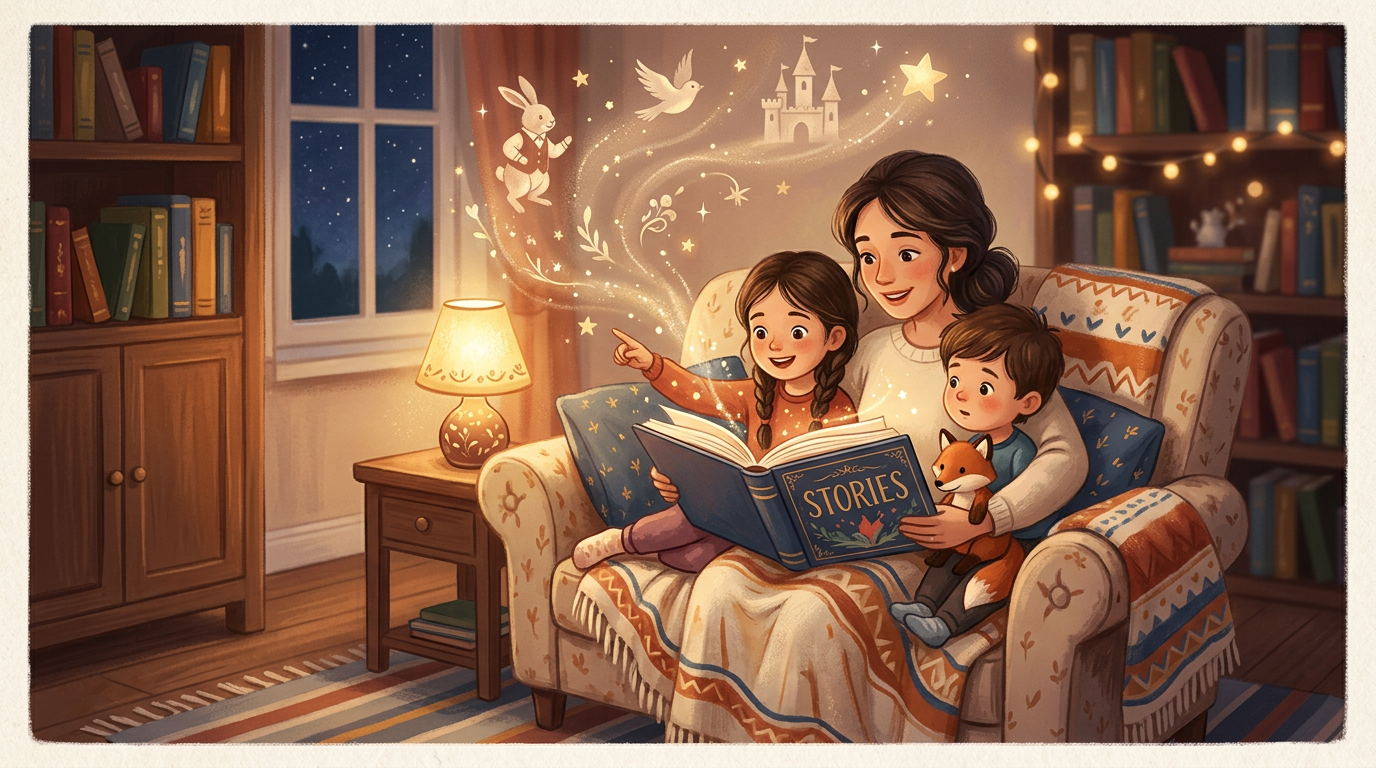
A classic story is not a fixed assignment. Choose the version, length, and level of intensity that fits your child today, and feel free to retell older material in your own words.
Classic stories for kids by age are best chosen with flexibility, not a rigid list. The same tale can feel delightful in a picture-book retelling and overwhelming in an unadapted version. A child’s sensitivity, interests, and current mood matter as much as a number on a birthday cake.
This guide keeps classic stories for kids by age practical: begin with one familiar detail, give the character one manageable challenge, and end with a return to safety or connection. The story is an invitation to talk, not a lesson a child has to pass.
Start with one small true thing
A good story prompt does not need to explain the whole situation. Choose one detail a child will recognize: a favorite backpack, a missing sock, a first ride on the bus, or a quiet moment before a new beginning. That detail helps the story feel seen without making it a replay of the day.
Keep names and family details minimal when you use an online tool. A nickname, a broad age range, and a favorite animal are usually enough. Avoid full names, schools, addresses, schedules, and anything another family member has not agreed to share.
A simple plan for tonight
1. Start with a short, illustrated retelling or a tale you already know well.
2. Read ahead for frightening scenes, harsh punishments, or themes that do not fit your family.
3. Invite the child to change one detail, character, or ending as you retell it.
Read the result before bedtime. Change wording that feels too intense, skip a scene that does not fit, or save the story for another night. The parent or caregiver remains the editor, storyteller, and best judge of the child in front of them.
Story starters to make your own
| Theme | Story starter |
|---|---|
| Ages 2 to 4 | The Three Little Pigs build three cozy houses and end with a warm soup supper. |
| Ages 4 to 6 | Goldilocks learns to ask before trying things in a bear family’s home. |
| Ages 5 to 7 | The Tortoise and the Hare discover that a kind race can be more fun than a boastful one. |
| Ages 6 to 8 | A brave tailor uses clever ideas and help from friends to solve a village problem. |
| Ages 8 and up | A folktale hero returns from a journey with a new understanding of home and community. |
Use one prompt at a time. At bedtime, a small plot with a calm ending usually lands better than a long adventure with several problems to solve.
Make the story fit the child
Younger children often enjoy patterns, animal characters, and repetition. As children grow, they can compare different versions, notice a moral, or question why a character made a choice. The best next story is the one the child wants to revisit or discuss.
For younger children, repeat a reassuring phrase and keep the cast small. For older children, let them suggest a helpful choice the character could make. If they want to change the ending, follow their lead; that is often the most meaningful part of shared storytelling.
Keep storytime gentle
Many older tales include violence, loss, stereotypes, or punishment that a modern family may want to change or contextualize. Editing aloud is not cheating; it is active storytelling. For a closer look at tale types, see fables and fairy tales explained.
If a child seems distressed, pause rather than pushing through the story. A calm conversation, a lighter book, or a familiar routine can be the better choice. For worries or changes that remain intense, persist, or interfere with everyday life, a pediatrician or qualified child mental-health professional can help a family decide on appropriate support.
To make a fresh version from tonight's details, try the StarryTalez story studio. You can also browse short bedtime story ideas or read our parent guide to AI story safety before sharing a story with a child.
Create a story from tonight's moment
Use one small detail from your child’s day, review the story together, and make it your own before bedtime.
Frequently asked questions
Are classic stories too scary for young children?
Some versions may be. Choose an age-appropriate retelling, read ahead, and soften or skip parts that do not fit your child. A familiar, gentle version is often a better introduction than the oldest available text.
Do I need to read the original version of a fairy tale?
No. Oral stories have always changed with the teller and the audience. A retelling can preserve the wonder of a tale while using language, values, and intensity that feel right for your family.
Should I let my child choose the details?
Yes, when it feels comfortable. Offer two or three simple choices, such as an animal helper, a setting, or a kind ending. That keeps the process playful without asking a tired child to invent the whole story.
How long should the story be?
Match the length to the child and the evening. A short story that leaves room for a cuddle or a question is often more useful than a long story finished after everyone is already tired.
Can I use a real family situation?
You can use a broad version of a real moment, then make the story fictional. Keep private details out of prompts, preview the draft first, and choose a gentler topic if the real event is still too raw.
Story recommendations for tonight
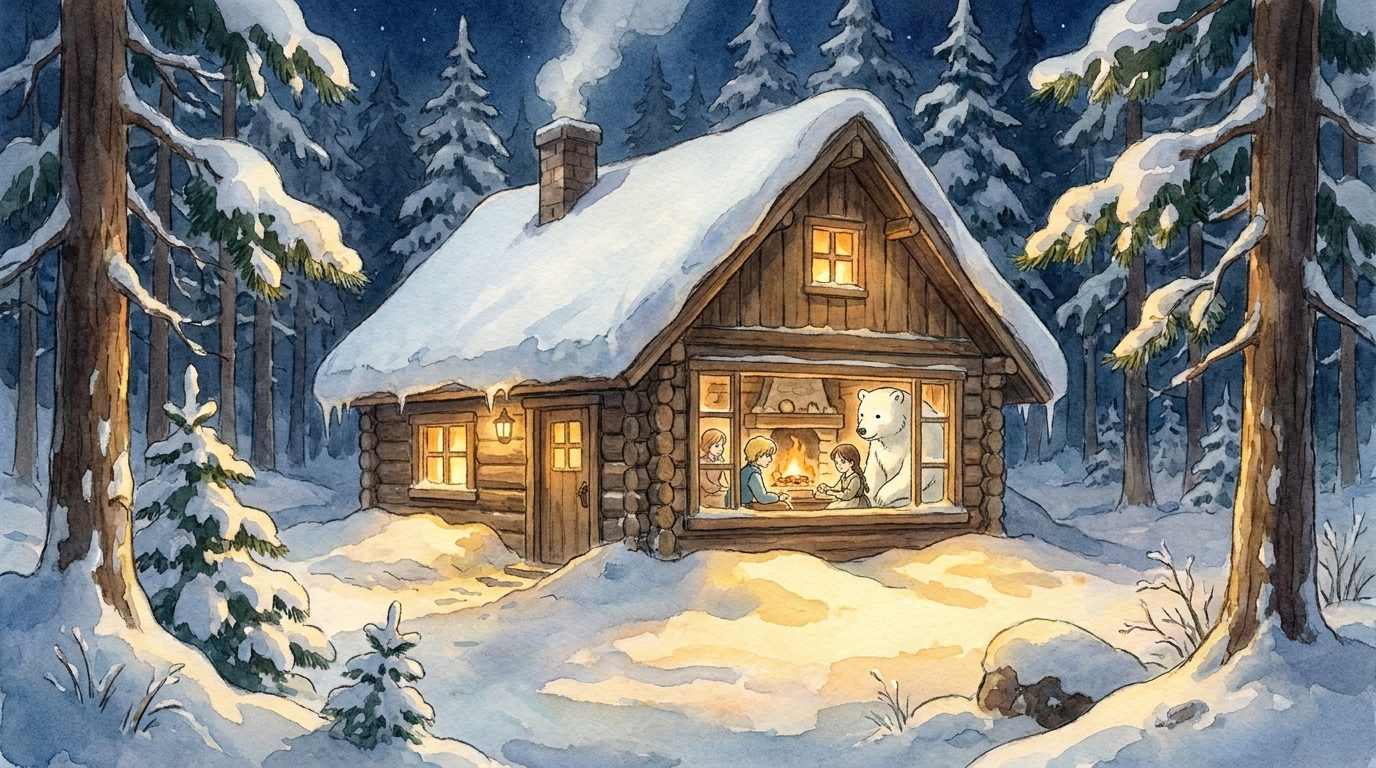
East of the Sun and West of the Moon
A brave young girl journeys across mountains, forests, and distant lands to find the prince hidden beneath the White Bear's curse. With kindness, perseverance, and unwavering love, she breaks the magic and brings them home together.
4 min read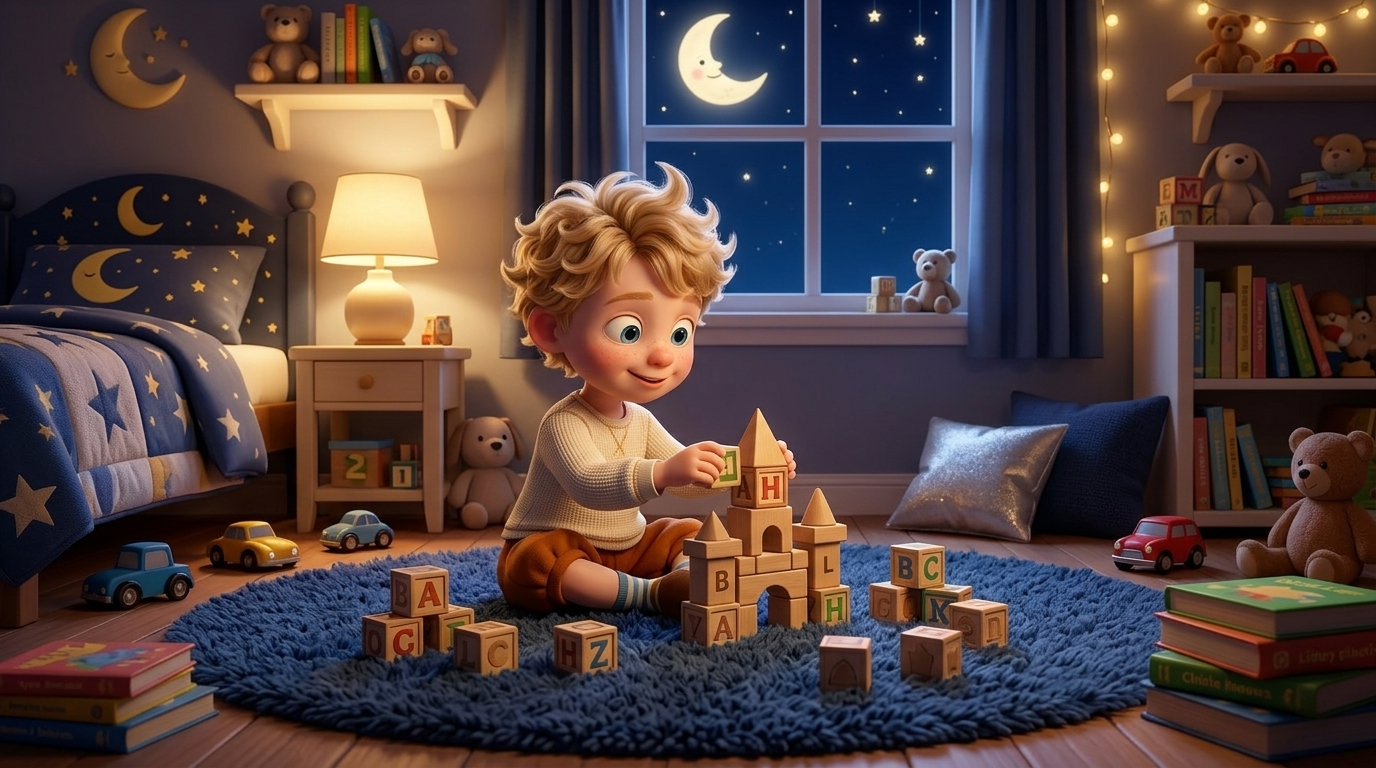
The Tiny Moon Train
A moonlit train helps carry sleepy yawns, blankets, and dreams gently toward bedtime.
4 min read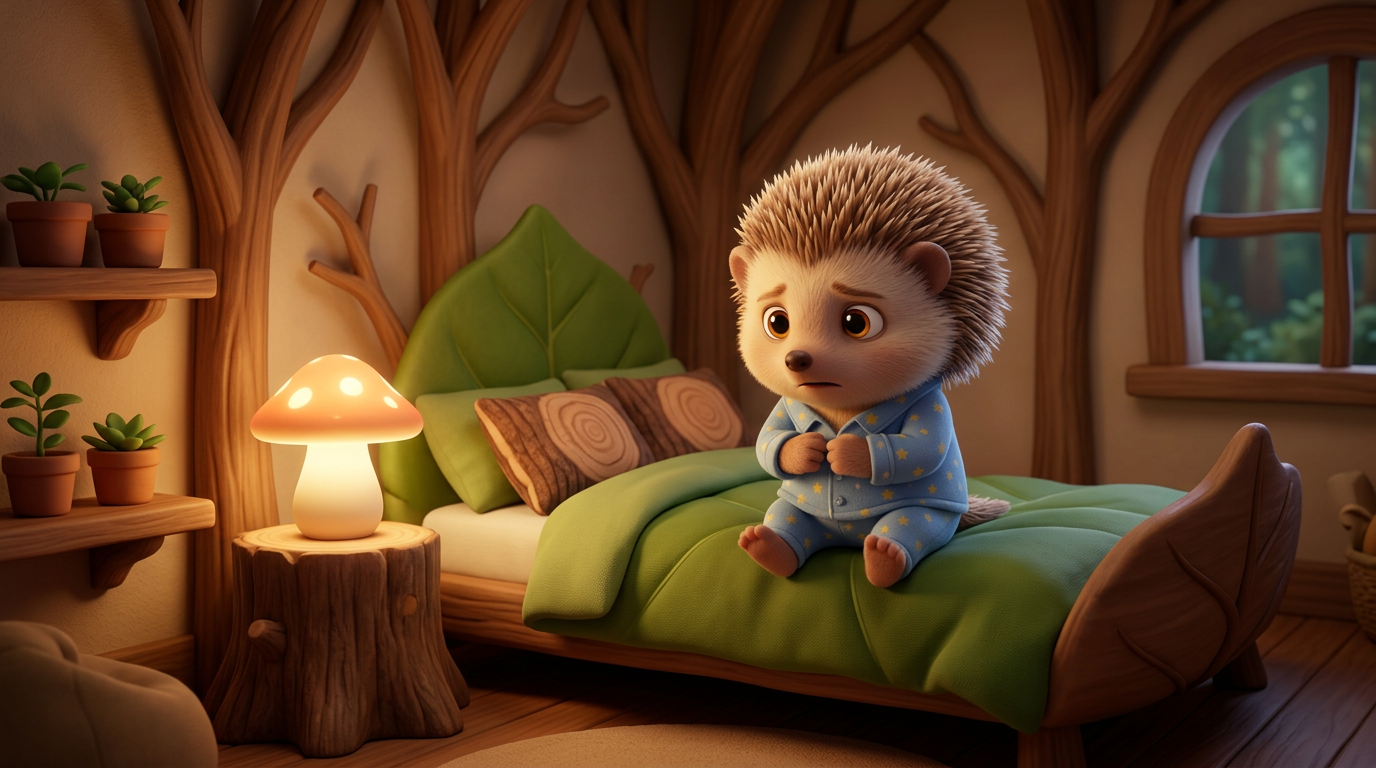
Little Hedgehog Hid His Worries in the Stars
Little Hedgehog shares bedtime worries with the stars and feels a little lighter inside.
4 min read